متن آهنگ تو نیستی
To Nisti Lyrics
The Story Behind To Nisti
آهنگ تو نیستی از سایمان یکی از قطعههای آلبوم بیست سالگی است. این قطعه درباره پایان یک رابطه، عبور از خاطرات گذشته و پیدا کردن دوباره خود بعد از یک جدایی احساسی است.
"To Nisti" — meaning "You Are Not" — is Track 06 on Saymawn's 2018 album 20 Salegi. Written, composed, and arranged by Saymawn himself, the song arrives at the album's midpoint as a quiet act of self-liberation: the moment when staying hurts more than leaving, and the door finally closes on a relationship that was slowly breaking you.
The opening lines announce the end with startling directness: "دیگه نمیسوزم پای حرفای تو / گل میگیرم همه عکساتو / چشامو میبندم بلند میخندم / به هر کار بدی که کردی تو" — "I won't burn for your words anymore / I'm throwing away all your photos / I close my eyes and laugh out loud / At every bad thing you did". The act of throwing away photos and laughing — not crying — signals a shift from grief to liberation. The narrator isn't destroyed by the breakup; they're freed by it.
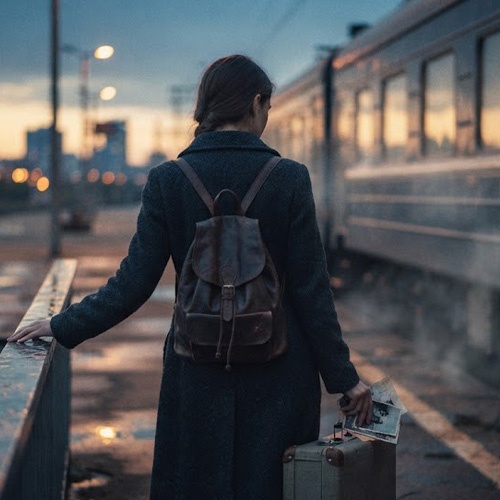
The chorus introduces the song's central metaphor: "روبروم یه قطاره که میبره منو / به هرجایی که بخوام دیگه" — "In front of me is a train that takes me / Anywhere I want to go now". The train represents forward motion, possibility, and choice — all things the relationship denied. The word "دیگه" (anymore/now) appears repeatedly, marking the boundary between before and after. The narrator is no longer trapped; they're in motion.
The title phrase arrives with devastating simplicity: "چون اینبار تو نیستی که هر بار / حس کردم خوشحالم / بشکنیم هی صد بار / بشکنیم هی هربار / درو میبستی" — "Because this time you're not there that every time / I felt happy / We'd break it a hundred times / We'd break it every time / You'd close the door". The cycle of breaking and closing — of hurting and then shutting down — is finally broken by the simple fact of absence: "تو نیستی" (you are not). The relationship's toxicity wasn't in the fights; it was in the repetition.
What makes "To Nisti" distinctive within 20 Salegi is its emotional restraint. The narrator doesn't rage or weep — they close their eyes and laugh: "چشامو میبندم بلند میخندم" — "I close my eyes and laugh out loud". This isn't denial; it's the quiet triumph of someone who has survived something that was meant to destroy them. The song acknowledges pain ("دل من اخر قصه کبود و زخم میشد" — "My heart at the end of the story was bruised and wounded") while refusing to be defined by it.
The bridge shifts into confrontation: "دیگه خیره نشو توی چشمام / راحت نیست درک حرفام / واسه تویی که همیشه حرف خودت بود" — "Don't stare into my eyes anymore / It's not easy to understand my words / For you who always had your own way". This isn't just about a breakup — it's about the power dynamic of a relationship where one person's voice always dominated. The narrator is reclaiming their voice, even if it's hard for the other person to hear.
The song closes with a single, unadorned wish: "کاش هیچوقت اینجوری نمیشد / نمیشد" — "I wish it had never turned out this way / It turned out". The trailing "نمیشد" (it turned out / it didn't) is left hanging — an open wound that the song doesn't try to close. This is the song's emotional genius: it doesn't promise healing; it simply acknowledges that the story is over.
Recorded at Ofogh Studio (استودیو افق) using Cubase with a U99 microphone, "To Nisti" sits in the warm Pop lane of 20 Salegi — the production supports the vocal without overwhelming it, letting the lyrics carry the emotional weight. As Track 06, it arrives at the album's midpoint, functioning as the turning point where the narrator stops looking backward and starts walking forward — on a train that goes anywhere they want.